
index

Hyderabad Pearls: The Royal Legacy of Nizams and Maharajas

0 comments

Introduction: The City of Pearls and Its Glittering Past

Hyderabad, often hailed as the City of Pearls, isn't just a poetic moniker—it’s a legacy carved through centuries of grandeur, culture, and royal patronage. This timeless connection between Hyderabad and pearls traces back to an era when Nizams and Maharajas shaped not just the city’s architecture but also its deep-rooted affinity with luxury and opulence. In this article, we dive deep into the fascinating history of Hyderabad pearls, uncovering the legacy of India’s most royal gemstones and how they shaped a thriving global trade.

The Birth of Hyderabad’s Pearl Culture

The story of Hyderabad’s pearl culture began centuries ago, under the rule of the Qutb Shahi dynasty in the 16th century. Though Hyderabad is landlocked, its rulers developed robust trade networks with Arab merchants, especially those from the Persian Gulf, who brought with them the finest pearls from Bahrain, Basra, and beyond. This trade was nurtured and flourished under the Asaf Jahi dynasty, better known as the Nizams of Hyderabad.

The Nizams, known for their lavish tastes and wealth, not only collected pearls but also encouraged local artisans to master the art of pearl drilling, stringing, and jewelry-making, making Hyderabad a global center for pearl craftsmanship.

Why Hyderabad Became Synonymous with Pearls

Hyderabad’s association with pearls goes beyond mere commerce. Several factors contributed to the city becoming a pearl powerhouse:

  • Strategic Trade Routes: Its proximity to important land trade routes made Hyderabad a key node in the import and distribution of pearls throughout India.

  • Royal Patronage: The Nizams were among the wealthiest royals in the world. Their love for pearls fueled demand and gave rise to local industries.

  • Skilled Artisans: Hyderabad became home to expert craftsmen skilled in drilling, grading, and setting pearls, often passed down through generations.

The Nizams and Their Love for Pearls

Few monarchs in history have matched the opulence of the Nizams of Hyderabad, and their affection for pearls was legendary. The seventh Nizam, Mir Osman Ali Khan, was once considered the richest man in the world, and pearls were central to his treasure trove.

  • His personal collection included Basra pearls, known for their exceptional luster and rarity.

  • The Nizams adorned themselves in pearls not just for occasions but in everyday life—turbans, robes, weapon hilts, and even footwear were often encrusted with pearls.

  • Pearl jewelry was not limited to the royals. Courtiers, noblemen, and their families were often seen in stunning pearl accessories.

Basra Pearls: The Crown Jewels of Hyderabad

Basra pearls hold a special place in Hyderabad’s pearl legacy. These natural pearls from the Persian Gulf were the most prized gems among Indian royalty. What made them so unique?

  • Natural Formation: Unlike cultured pearls, Basra pearls formed naturally over decades, making them rare and expensive.

  • Lustrous Quality: Known for their radiant glow, they were used in crowns, necklaces, and ceremonial attire.

  • Cultural Significance: These pearls symbolized purity, power, and status.

Today, authentic Basra pearls are incredibly rare and command astronomical prices in auctions and antique markets.

The Art of Pearl Craftsmanship in Hyderabad

One of the reasons Hyderabad retained its pearl prestige lies in the extraordinary skills of its craftsmen. Generations of artisans, often from families who migrated from Gujarat and Maharashtra, brought with them age-old techniques.

  • Drilling: Drilling holes in natural pearls is an incredibly delicate process. The technique used in Hyderabad is said to preserve the structure and value of the pearl.

  • Stringing: Artisans string pearls with mathematical precision to maintain symmetry and grace.

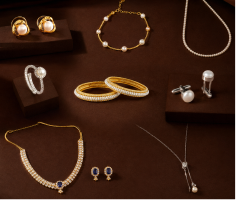
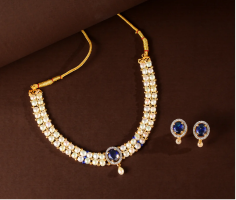
  • Custom Designs: From traditional chokers to elaborate multi-string necklaces (like Satlada), Hyderabad jewelry showcases intricate artistry.

Satlada Necklace: A Symbol of Regal Elegance

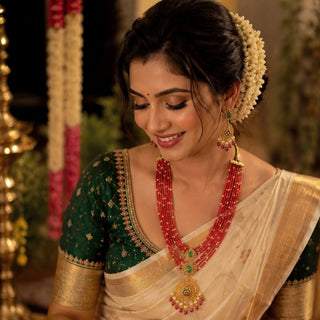
Among the most iconic pieces of pearl jewelry from Hyderabad is the Satlada Necklace. Literally translating to "seven strands," this majestic necklace was a royal heirloom passed through generations of the Nizam family.

  • Each strand contains hundreds of pearls, interspersed with rubies, emeralds, and diamonds.

  • Worn during royal events and weddings, it became a symbol of Hyderabad’s unparalleled luxury.

  • Modern-day jewelers often replicate Satlada-inspired pieces, keeping the tradition alive.

Pearl Markets of Hyderabad: A Shopper’s Paradise

Even today, Hyderabad’s pearls continue to dazzle both locals and tourists alike. The city is dotted with historic markets that still carry the legacy of pearl trade:

  • Laad Bazaar: Located near Charminar, this market is famous for traditional jewelry and pearls.

  • Patther Gatti: Known as the "Pearl Bazaar", this area is home to some of the oldest pearl shops in India.

  • Sultan Bazaar: Another heritage market that offers pearls and antique jewelry.

Each market reflects a blend of history, culture, and modern commerce, making Hyderabad a must-visit for pearl connoisseurs.

Cultured vs. Natural Pearls: What’s the Difference?

In today’s market, it’s crucial to distinguish between natural pearls (like the rare Basra variety) and cultured pearls.

Feature Natural Pearls Cultured Pearls
Formation Naturally in mollusks Human intervention involved
Rarity Extremely rare Common
Price High Moderate to High
Lustre Rich, organic glow Consistently shiny

While natural pearls are still available in vintage collections, most of today’s pearls are cultured, especially from Japan (Akoya pearls), China, and South Sea regions.

Impact of the Pearl Industry on Hyderabad’s Economy

The pearl industry has significantly contributed to Hyderabad’s local economy, especially in sectors like:

  • Artisan employment

  • Export revenues

  • Tourism and retail jewelry sales

Local workshops provide jobs to thousands of craftsmen, while Hyderabad’s reputation as a luxury jewelry destination attracts international tourists and investors.

Preserving a Royal Heritage in Modern Times

Despite changes in global fashion and jewelry trends, Hyderabad’s pearl legacy continues to thrive:

  • High-end jewelry brands now blend traditional designs with modern aesthetics.

  • Cultural events like Hyderabad Jewelry Expo showcase heritage pieces.

  • Several museums in Hyderabad display the original Nizam jewelry collection, including pearl-studded artifacts.

Pearls in Indian Royal Fashion: Beyond Hyderabad

While Hyderabad is undoubtedly the heart of India’s pearl legacy, other royal families across Rajasthan, Mysore, and Kashmir also prized pearls. However, none matched the scale, richness, and continued tradition as seen in Hyderabad.

Hyderabad Pearls in Modern Fashion

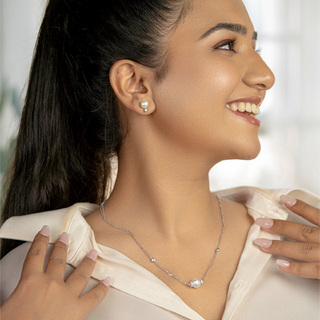
In contemporary fashion, Hyderabad pearls have found a renaissance of sorts. Fashion designers now incorporate pearls into both ethnic and Western wear, from bridal lehengas to formal evening gowns.

Celebrities, too, often wear Hyderabad pearls on red carpets, giving these classic gems a global platform.

Tips to Buy Authentic Hyderabad Pearls

If you're shopping for pearls in Hyderabad, keep these tips in mind:

  1. Ask for authentication certificates.

  2. Inspect the luster and surface carefully.

  3. Understand the pricing difference between natural and cultured pearls.

  4. Buy from reputed stores or government-approved dealers.

  5. Prefer pearls drilled and strung in Hyderabad for traditional authenticity.

Hyderabad’s Pearls: A Cultural and Emotional Connect

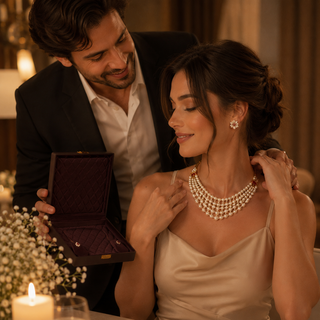
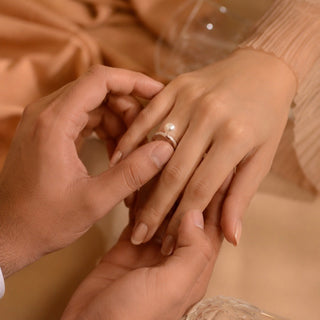
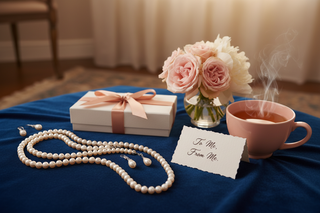
Beyond their material value, pearls in Hyderabad carry an emotional and cultural resonance. Passed on as family heirlooms, worn during significant life events, and given as gifts of love and legacy—Hyderabad pearls are woven into the very fabric of its people. They are not just accessories but symbols of tradition, elegance, and enduring craftsmanship.


Conclusion: A Radiant Legacy That Lives On

The legacy of Hyderabad pearls is more than just a story of wealth or luxury. It is a tapestry of culture, art, royal patronage, and skilled craftsmanship that continues to shine through centuries. From the grandeur of the Nizams to the vibrant markets of today, Hyderabad remains the pearl capital of India, offering a glimpse into a past where elegance was eternal and luxury was everyday life. Whether you’re a history lover, a fashion enthusiast, or a curious traveler, the story of Hyderabad’s pearls is sure to leave you enchanted and inspired.


FAQs

1. Why is Hyderabad called the City of Pearls?
Hyderabad earned this title due to its historical trade in pearls and its unmatched craftsmanship in pearl jewelry, largely influenced by royal patronage from the Nizams.

2. What are Basra pearls, and why are they special?
Basra pearls are natural pearls from the Persian Gulf, known for their rare formation, organic luster, and association with royalty, especially the Nizams of Hyderabad.

3. Where can I buy genuine pearls in Hyderabad?
Laad Bazaar, Patther Gatti, and Sultan Bazaar are some of the most trusted markets. Look for reputed stores offering certification.

4. How do I distinguish between natural and cultured pearls?
Natural pearls are formed without human intervention and are extremely rare, while cultured pearls are farmed with human assistance and are more common.

5. What is the significance of the Satlada necklace?
The Satlada is a traditional seven-strand pearl necklace, a symbol of royal heritage, often adorned by Nizams and still replicated in bridal jewelry today.