By Harsha Vardhan, Senior Pearl Specialist · Krishna Pearls · Last updated: 10 August 2026 · 9 min read
Quick Answer
For durability, gold pearl jewelry wins; gold does not tarnish, corrode, or react with skin, so a gold setting protects the pearl mount for generations with almost no maintenance. For affordability, silver pearl jewelry wins by a wide margin — sterling silver (92.5% pure) costs a fraction of gold, so a silver-set pearl piece typically runs 5 to 15 times cheaper than a comparable gold one. The pearl itself is identical in both; only the metal changes. Choose gold for a lifetime heirloom you rarely maintain, and silver for beautiful, everyday pearl jewelry at an accessible price, provided you are willing to polish away occasional tarnish.
At Krishna Pearls, we have been setting pearls into both silver and gold at our Hyderabad workshops since 1983 — long enough to have watched exactly how each metal ages on a customer’s wrist and neck over decades. When shoppers ask us whether silver or gold pearl jewelry is the better buy, the honest answer is that the two win on different measures. This guide settles the durability question, the affordability question, and the everyday-wear question, so you can decide which is right for you rather than for a generic buyer.
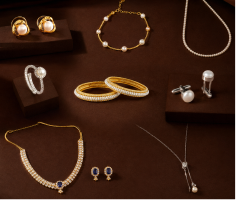
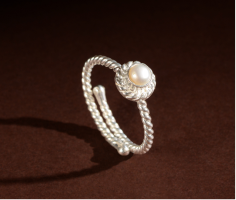
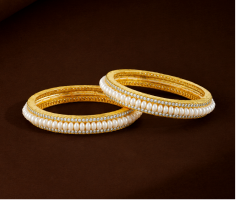
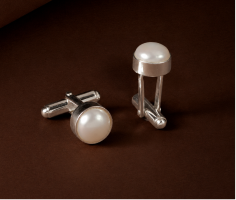
One clarification first, because it causes most of the confusion: “silver pearl” and “gold pearl” jewelry usually refer to the setting metal, not the pearl colour. A single white freshwater or Akoya pearl can be mounted in sterling silver or in 14K/18K/22K gold. The pearl’s value and durability stay the same; what changes is the metal wrapped around it — and that metal decides how the piece looks, how long the setting lasts, and how much you pay.
Key Takeaways
-
Durability: Gold is the more durable setting — it never tarnishes or corrodes and is chemically inert against skin, sweat, and humidity. Sterling silver is genuinely durable too but tarnishes with air exposure and needs occasional polishing.
-
Affordability: Silver is dramatically more affordable. A sterling-silver pearl piece is often 5–15× cheaper than the same design in gold.
-
The pearl is the same: Metal choice does not change the pearl’s lustre, nacre, or quality — only the mount.
-
Skin sensitivity: Gold (especially 18K+) is the safest for reactive skin; quality sterling silver is fine for most, but plated silver can cause reactions once the coating wears.
-
Best for daily wear: Silver, on cost and cool-toned versatility. Best for heirlooms & investment: Gold.
-
Avoid: silver-plated settings for anything you want to keep — the coating wears within months, exposing base metal.
Durability: Gold vs Silver Pearl Settings Compared
Durability of pearl jewelry has two parts — the durability of the pearl (identical whichever metal you pick) and the durability of the metal setting that holds it. On the metal, gold and silver behave very differently.
Why gold is the more durable setting metal
Gold is chemically inert. It does not oxidise, tarnish, corrode, or react with sweat, humidity, perfume, or skin. A gold pearl setting looks the same in twenty years as it did on day one, with essentially no maintenance beyond an occasional gentle wipe. This is why fine bridal and heirloom pearl jewelry is almost always set in gold: it is the metal you can pass down. Higher karats (22K, 18K) are softer and more scratch-prone but more inert; 14K is harder and more scratch-resistant because it is alloyed with more durable metals, which is why many everyday gold pearl pieces use it.

Why sterling silver is durable but needs care
Sterling silver is 92.5% pure silver (hence the “925” stamp), alloyed with copper for strength. It is a genuinely durable, decades-lasting metal — a well-made sterling piece will not fall apart. Its one weakness is tarnish: silver reacts with sulphur compounds in air and on skin, gradually forming a dark film. Tarnish is purely cosmetic, not damage, and polishes off easily with a silver cloth. But it means silver pearl jewelry asks for a little upkeep that gold does not. Store it in an anti-tarnish pouch, keep it dry, and wipe it after wear, and sterling silver stays beautiful for a very long time.

The setting to avoid: silver-plated
Silver-plated is not sterling silver. It is a micro-thin silver coating over a base metal such as brass or copper. It looks identical at first, but the plating wears through with regular use — often within months — exposing the base metal, discolouring, and sometimes turning skin green. For a pearl piece you intend to keep, insist on solid sterling silver (stamped 925) or solid gold, never plated.
| Factor |
Gold Pearl Jewelry |
Silver (Sterling 925) Pearl Jewelry |
| Tarnish / corrosion |
None — chemically inert, never tarnishes |
Tarnishes with air exposure; polishes off easily |
| Maintenance |
Minimal — occasional wipe |
Periodic polishing + anti-tarnish storage |
| Skin reaction |
Very low (18K+ safest for sensitive skin) |
Low for quality 925; plated silver can react |
| Scratch resistance |
14K hardest; 22K/24K softer |
Moderate — softer than 14K gold |
| Longevity as heirloom |
Excellent — generations with no upkeep |
Very good — decades with light upkeep |
| Relative cost |
High (5–15× more than silver) |
Low — most affordable genuine metal |
| Best suited to |
Heirlooms, bridal, investment pieces |
Everyday wear, gifting, building a collection |
Affordability: How Much Cheaper Is Silver Pearl Jewelry?
This is where silver decisively wins. Silver is far cheaper per gram than gold, and the gap is large. That means for the same pearl and the same design, a sterling-silver mount costs a small fraction of a gold one — commonly 5 to 15 times less, depending on the gold karat and the weight of metal used.
The practical implication: with silver pearl jewelry you can own several genuine-pearl pieces — a strand, studs, a pendant, a bracelet — for the price of a single gold-set item. For a first pearl purchase, for gifting, or for building a versatile everyday collection, sterling silver delivers real pearls and a real precious metal without the four-figure price of gold. Gold, by contrast, is best understood as an investment purchase: you are paying for a metal that holds intrinsic value and lasts, maintenance-free, for generations.
A note on how we price at Krishna Pearls: the pearl and the metal are quoted separately, so you can see exactly what you are paying for each. The pearl’s cost is set by its type, size, lustre, and surface grade — not by the metal — which is why moving from silver to gold changes the price of the mount, not the pearl.
Everyday Wear, Style, and Skin: Choosing Between Silver and Gold
Beyond cost and durability, the two metals simply look and behave differently in daily life.
Tone and versatility. Silver is cool-toned and pairs naturally with silver-grey and white pearls, and with cooler wardrobes; it reads modern and understated, which is part of why it works so well for everyday wear. Gold is warm-toned and flatters cream, golden, and warmer pearl overtones; it reads classic and rich, and it is the traditional choice for South Indian bridal and festive pearl jewelry.
Skin sensitivity. If you react to metals, gold — particularly 18K and above — is the safest because it is highly inert. Quality sterling silver is tolerated well by most people, but if you have reacted to silver jewelry before, it was very likely a plated or low-quality piece rather than true 925.
Maintenance appetite. Be honest about how much upkeep you will actually do. If you want jewelry you can put on and forget, gold suits you. If you do not mind a quick polish now and then in exchange for owning far more pieces, silver is the smarter buy.
Not sure which is right for you?
Send us a message and a Krishna Pearls specialist will help you choose the metal, pearl type, and budget that fit — with real pearls, from a house trusted in Hyderabad since 1983.
Chat on WhatsApp
Frequently Asked Questions
Is silver or gold pearl jewelry more durable?
Gold is the more durable setting because it never tarnishes or corrodes and is chemically inert against skin and moisture, so it lasts for generations with almost no maintenance. Sterling silver is also durable and long-lasting, but it tarnishes with air exposure and needs occasional polishing. The pearl itself has the same durability in both metals.
Is silver pearl jewelry cheaper than gold?
Yes, significantly. Because silver costs far less per gram than gold, a sterling-silver pearl piece is typically 5 to 15 times cheaper than the same design set in gold. The pearl’s cost stays the same; only the metal changes the price.
Does the metal change the quality of the pearl?
No. The pearl’s lustre, nacre thickness, surface grade, and value are determined by the pearl itself — its type, size, and quality — not by whether it is set in silver or gold. Choosing silver over gold saves money on the mount without affecting the pearl.
Does sterling silver pearl jewelry tarnish, and can it be fixed?
Sterling silver does tarnish over time as it reacts with sulphur in the air, forming a dark film. This is cosmetic, not damage, and wipes off easily with a silver polishing cloth. Store the piece in an anti-tarnish pouch, keep it dry, and never use silver-cleaning chemicals on the pearls themselves.
Which is better for sensitive skin?
Gold, especially 18K and above, is the safest for sensitive or reactive skin because it is highly inert. Good-quality sterling silver (925) suits most people; reactions usually come from silver-plated pieces where the coating has worn through to a base metal, not from true sterling silver.
Should I buy silver or gold pearl jewelry?
Choose gold if you want a low-maintenance heirloom or investment piece that lasts generations, or if you have very sensitive skin. Choose sterling silver if you want beautiful, genuine-pearl jewelry for everyday wear at a much lower price, and you don’t mind occasional polishing. Either way, insist on solid sterling silver (stamped 925) or solid gold — never silver-plated.
HV
Harsha Vardhan
Senior Pearl Specialist, Krishna Pearls — Hyderabad
Ravindra has spent over two decades sorting, grading, and setting pearls at Krishna Pearls, one of Hyderabad’s oldest pearl and fine-jewellery houses (established 1983). He advises customers across India and NRI markets on matching pearl type, metal, and budget.




 Festive Giftbox
₹ 1,300
Festive Giftbox
₹ 1,300