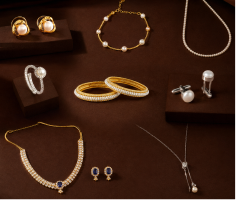
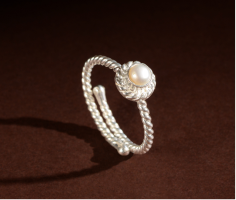
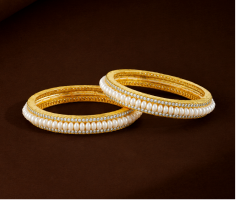
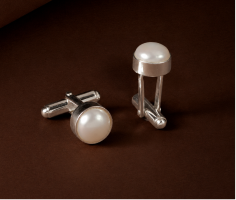
Difference Between Them before Buying Your Pearl Jewellery
Want to know the difference between South Sea pearls and freshwater pearls for a necklace?
In case you need a pearl necklace for an elegant day-to-day look, a gift, or wedding, freshwater pearls are a great option in terms of beauty and price, and South Sea pearls are known for their rarity, bigger size and luxury, so it all comes down to the choice that will fit your personal preferences and budget.
The Gemological Institute of America (GIA) considers the South Sea pearls to be among the biggest pearls in the world. Usually, these pearls have sizes from 8mm to 20 mm, while freshwater pearls can be found in various sizes, shapes, and colors which make them one of the most versatile jewels.
Two Beautiful Pearls, Two Different Stories
These two pearls might seem very alike at first sight.
However, there is a lot more in their stories than just an identical appearance and the opportunity to make a beautiful elegant necklace.
Consider the South Sea pearls to be the statement pearl that you wear only on your most important occasions, whereas the freshwater pearls are the classic pearl that you just can't stop wearing.
What Are South Sea Pearls?
South Sea pearls are mainly farmed in warm seas in Australia, Indonesia, and the Philippines.
South Sea pearls include:
- Large size (usually 8 to 20 millimeters)
- Soft and satin-like lustre
- Silver, gold, and white colors
- Exceptionally rare
- Highly priced
As oysters only produce a single pearl at any one time, South Sea pearls are some of the most highly valued cultured pearls.
What are Freshwater Pearls?
Freshwater pearls are farmed in lakes and rivers using molluscs found in freshwater lakes, mainly in China.
Freshwater pearls are adored due to their:
- Beautiful lustre
- Diverse range of shapes and sizes
- Variety suitable for daily use
- Exquisite designs at reasonable prices
Whether it is classic strands, modern chokers, or bridal jewelry, freshwater pearls have become some of the most sought-after pearl types in the world.
Comparison of South Sea and Freshwater Pearls
|
South Sea Pearls |
Freshwater Pearls |
| Size (millimeters) |
8 to 20 |
2 to 12 |
| Lustre |
Softer satiny shine |
Brighter reflective shine |
| Colors |
WHITE, Silver, GOLD |
White, PINK, Peach, Lavender |
| Rarity |
Very rare |
More available |
| Price |
High |
Lower price point |
| Perfect For |
Luxury jewelry |
Everyday and gifting |
| Styles |
Statement necklaces |
Classic and contemporary |
Which Pearl Necklace Should You Get?
Go for South Sea pearls if you are after a luxury and investment piece of jewelry or a special occasion.
Go for freshwater pearls if you want a piece of jewelry that is elegant and comfortable to wear on special occasions, to work or for a night out.

Discover our Freshwater Pearl Necklace Collection →
Pearl Necklace Care Tips
Regardless of your choice of South Sea or freshwater pearls, good care will help maintain their natural beauty.
- Keep your pearls in separate pouches.
- Prevent contact with any perfumes and makeup.
- Wipe them with a soft cloth after wearing them.
- Do not expose them to heat and harsh chemicals for too long.
- With proper care, a pearl necklace will serve you for many years.
References & Sources
- Gemological Institute of America (GIA) - Pearl identification, Pearl Value Factors™, and Pearl care.
- CIBJO (Confederation of International Jewelry) - Terminology of Pearls and jewelry industry standards.
- Jewelry Guides by Federal Trade Commission (FTC).
- Product Catalog & Necklace Collections by Krishna Pearls
By: Harshavardhan roy
Content Writer & Jewellery Designer




 Festive Giftbox
₹ 1,300
Festive Giftbox
₹ 1,300